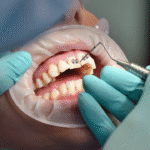
Worried about your child's crooked teeth? Wondering if they need braces now or can wait? You're not alone. Every parent in Puchong faces this question: "Is my child too young? Too old? Should we act now or wait until they're older?"
At Serene Smile Dental Clinic in Puchong, we help parents navigate these orthodontic decisions daily. Our pediatric orthodontist has treated over 500 children ages 7-17, and we understand both the clinical needs AND the parental concerns—cost, timing, school impact, and whether treatment is truly necessary.
This comprehensive guide answers every question parents ask: When's the best age to start? How do I know if my child needs braces? What are the warning signs? How much does it cost? What types of braces work for kids? How do we manage school, sports, and daily life during treatment?
Quick answer: The American Association of Orthodontists recommends evaluation by age 7, with most treatment starting ages 10-14. But every child is different—this guide helps you determine YOUR child's optimal timing.
When Should Children Start Braces? Age Guidelines
The "Age 7 Rule"
Professional recommendation: First orthodontic evaluation at age 7, even if teeth look fine.
Why age 7?
- First permanent molars erupted (orthodontist can assess bite relationship)
- Mix of baby and permanent teeth allows early problem detection
- Jaw still growing (some issues easier to correct early)
- Early intervention prevents more severe problems later
Important: Age 7 evaluation doesn't mean starting braces at 7! Most kids don't need treatment until 10-14. Evaluation just identifies issues early.
Treatment Timing Categories
Phase 1: Early Treatment (Ages 7-10)
Who needs it: 10-20% of children with severe issues
Conditions requiring early treatment:
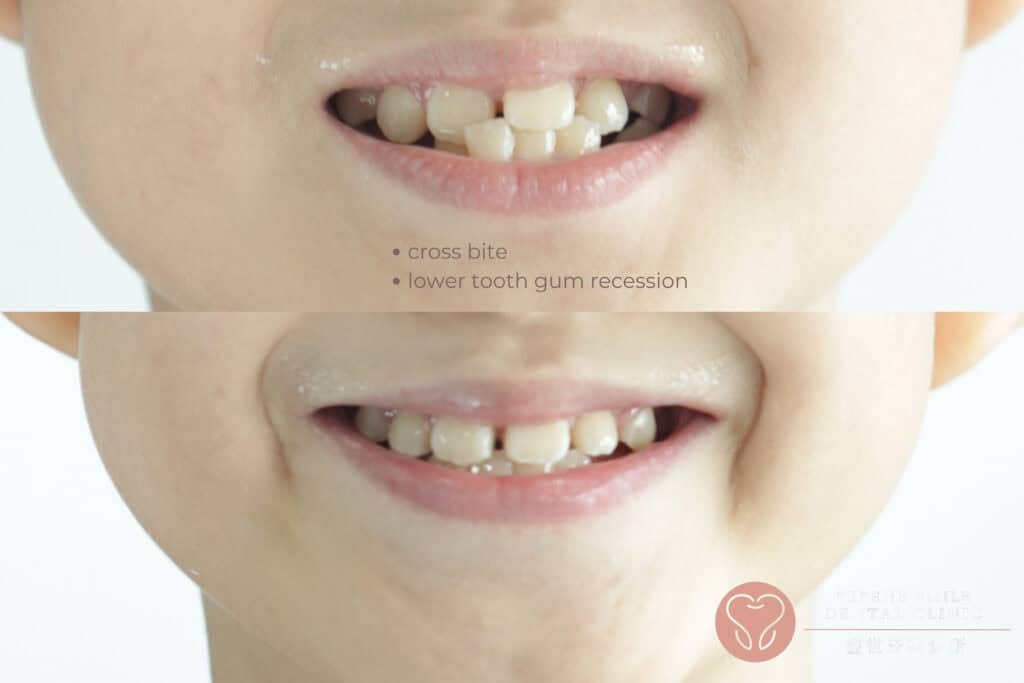
- Severe crossbite (back teeth bite inside lower teeth)
- Underbite (lower jaw significantly ahead of upper)
- Extreme crowding blocking permanent tooth eruption
- Protruding front teeth (trauma risk from falls/sports)
- Thumb sucking after age 7 (causing bite problems)
- Mouth breathing issues (narrow upper jaw)
Treatment duration: 12-18 months
Goal: Guide jaw growth, create space, prevent worsening issues
Cost: RM 3,000-5,000 (may reduce later treatment complexity)
After Phase 1: Monitoring period (1-3 years) while remaining permanent teeth erupt, then Phase 2 braces if needed (ages 11-13).
Phase 2: Comprehensive Treatment (Ages 10-14) [Most Common]
Who needs it: 70-80% of children requiring orthodontics
Ideal timing:
- Girls: Ages 10-13 (peak growth spurt 11-12)
- Boys: Ages 11-14 (peak growth spurt 12-14)
- Most/all permanent teeth erupted (except wisdom teeth)
- Active growth period allows efficient tooth movement
Typical conditions treated:
- Crowding (overlapping teeth)
- Gaps between teeth
- Overbite (top teeth significantly overlap bottom)
- Mild to moderate crossbite or underbite
- Crooked or rotated teeth
Treatment duration: 18-24 months
Cost: RM 4,000-7,000 (metal braces)
Late Treatment (Ages 15-18)
Who gets it: Teens who missed earlier treatment or had delayed issues
Considerations:
- Still effective (teeth move at any age with healthy gums)
- May take 2-4 months longer than ages 11-13 (growth period ending)
- Teen cooperation often better than younger kids
- More self-conscious—may prefer ceramic braces or Invisalign
Treatment duration: 20-28 months
Cost: RM 4,000-9,000 (depending on braces type)
What Happens If You Wait Too Long?
- Growth opportunity missed: Jaw growth guidance only works during development (before 14-16)
- Extraction more likely: Severe crowding untreated may require removing permanent teeth
- Longer treatment: Established bite patterns harder to change
- Increased cost: Complex adult cases cost more than preventing issues early
Can You Start Too Early?
Yes—unnecessary early treatment has drawbacks:
- Child maturity insufficient for 2-year commitment
- Baby teeth still present (treatment less effective)
- Two-phase treatment when one phase would suffice (double cost)
- Child burnout (tired of braces before comprehensive treatment)
Bottom line: Age 7 evaluation identifies who needs early treatment (10-20%) vs who can wait for optimal timing (70-80%). Trust orthodontist recommendation.
10 Signs Your Child May Need Braces
Watch for these indicators that orthodontic evaluation is needed:
1. Early or Late Loss of Baby Teeth
- Early loss (before age 5): Neighboring teeth may drift into space, blocking permanent tooth path
- Late retention (age 13+ with baby teeth remaining): May indicate permanent tooth impaction
2. Difficulty Chewing or Biting
- Child avoids hard foods (apples, nuts)
- Bites inside of cheeks frequently
- Chews with mouth open (can't close properly)
- Complains of jaw pain when eating
3. Mouth Breathing or Snoring
- Breathes through mouth constantly (even at rest)
- Snores loudly or has sleep apnea symptoms
- Often indicates narrow upper jaw (orthodontics can help expand)
4. Thumb Sucking After Age 7
- Prolonged thumb/finger sucking pushes front teeth forward
- Creates open bite (top and bottom teeth don't meet)
- Early orthodontic intervention stops habit and corrects damage
5. Crowded, Crooked, or Overlapping Teeth
- Permanent teeth erupting with no space (overlap neighbors)
- Teeth visibly twisted or rotated
- Difficulty flossing between tight teeth
6. Gaps or Spacing Issues
- Large gaps between front teeth (diastema)
- Multiple spaces throughout mouth
- Teeth too small for jaw size
7. Jaw Misalignment
- Underbite: Lower jaw protrudes beyond upper (bottom teeth in front)
- Overbite: Upper front teeth overlap lower by >4mm (severe cases cover lower teeth completely)
- Crossbite: Some upper teeth bite inside lower teeth
- Open bite: Front teeth don't touch when back teeth closed
8. Facial Asymmetry
- Jaw shifts to one side when biting
- Chin appears off-center
- One side of face noticeably different from other
9. Speech Difficulties
- Lisping or trouble pronouncing certain sounds
- Tongue thrust (pushes forward when swallowing/speaking)
- May be related to teeth/jaw positioning
10. Self-Consciousness About Smile
- Child hides smile in photos (closed-lip smile)
- Covers mouth when laughing or talking
- Mentions being teased about teeth
- Emotional impact justifies treatment even if clinical need borderline
If you notice 2+ of these signs, schedule an orthodontic evaluation. Early assessment determines if treatment needed now or later.
Benefits of Early Orthodontic Treatment
Clinical Benefits
- Guide jaw growth: Utilize natural growth spurts to shape jaw development (only possible during growth period)
- Create space: Prevent tooth extractions later by creating space during development
- Improve bite: Correct bite issues before they cause tooth wear, jaw pain, or TMJ problems
- Reduce trauma risk: Protruding front teeth 2-3× more likely to be injured in falls/sports
- Improve breathing: Palate expansion can open airways, reduce mouth breathing
- Prevent worsening: Small problems don't become complex surgical cases
Psychological & Social Benefits
- Confidence boost: Straight teeth before critical teen years (high school, social development)
- Prevent bullying: Correct visible issues before they trigger teasing
- Better self-esteem: Comfortable smiling in photos, social situations
- Lifelong positive impact: Confident smile affects education, career, relationships
Long-Term Health Benefits
- Easier oral hygiene: Straight teeth easier to clean (lower cavity/gum disease risk lifelong)
- Even tooth wear: Proper bite prevents excessive wear on specific teeth
- TMJ prevention: Aligned bite reduces jaw joint stress
- Better chewing: Improved bite function aids digestion
Financial Benefits
- Prevent complex treatment: Early intervention often avoids jaw surgery (RM 30,000-50,000)
- Shorter treatment: Growing jaws respond faster = fewer months in braces
- Single-phase treatment: Timely intervention may eliminate need for two-phase approach
Types of Braces for Children in Puchong
1. Metal Braces (Most Common for Kids)
Description
Traditional stainless steel brackets bonded to teeth, connected by wires. Modern brackets smaller, more comfortable than previous generation.
Advantages for Children
- Most affordable: RM 4,000-6,000 complete treatment
- Most durable: Withstand rough treatment from active kids
- Colorful bands: Kids enjoy choosing elastic colors (school spirit, holidays, favorites)
- Fastest treatment: Most efficient tooth movement
- Works for all cases: Mild to severe complexity
Considerations
- Obviously visible (most kids don't mind—braces common in school)
- Require careful hygiene (food gets stuck easily)
- Dietary restrictions (no hard/sticky foods)
Best For
- Ages 10-14 (primary treatment age)
- Complex cases requiring maximum control
- Budget-conscious families
- Active kids who might lose removable aligners
2. Ceramic Braces (For Image-Conscious Teens)
Description
Tooth-colored or clear brackets that blend with teeth. Same function as metal but less visible.
Advantages
- 70% less visible than metal
- Effective for all case complexities
- Appeals to self-conscious teens (ages 13-17)
Considerations
- More expensive (RM 6,000-8,000)
- More fragile (higher breakage risk with careless kids)
- Clear elastics stain from certain foods
- Treatment 2-4 months longer than metal
Best For
- Teens 13-17 concerned about appearance
- Kids with special events (school photos, performances)
- Families willing to invest extra for discretion
3. Invisalign Teen (For Responsible Teenagers)
Description
Clear plastic aligners worn 20-22 hours daily, changed every 1-2 weeks. Nearly invisible option for teens.
Advantages
- Virtually invisible (biggest appeal to teens)
- Removable for eating (no dietary restrictions)
- Easier oral hygiene (remove to brush normally)
- Fewer office visits (every 6-10 weeks)
- Compliance indicators (show if teen wearing enough)
Considerations
- Most expensive (RM 12,000-16,000)
- Requires discipline: Must wear 20-22h daily (many teens struggle)
- Easy to lose (expensive replacements RM 300-500 per aligner)
- Only suitable for mild-moderate cases
- Not recommended for kids <15 (maturity/compliance issues)
Best For
- Responsible teens 15-18
- Mild-moderate cases (orthodontist confirms suitability)
- Athletes in contact sports (no bracket injuries)
- Musicians (wind instruments easier without brackets)
Red Flags (Poor Invisalign Candidates)
- Forgetful kids who lose things frequently
- Teens who won't brush after every meal
- Kids who remove aligners for hours daily
- Ages <15 (better to wait or choose braces)
4. Palatal Expanders (Early Treatment Device)
Description
Device attached to upper molars that gradually widens narrow upper jaw. Used before comprehensive braces in some cases.
When Needed
- Severe crowding (jaw too narrow for teeth)
- Crossbite (upper teeth bite inside lower teeth)
- Mouth breathing issues (narrow palate restricts airway)
Treatment Details
- Duration: 6-12 months active expansion, then retention
- Age: Best results ages 7-14 (before palate fuses ~15-16)
- Cost: RM 2,000-4,000 (may be included in comprehensive treatment)
- Follow-up: Often followed by full braces after expansion complete
Choosing the Right Option for Your Child
| Child Profile | Recommended Option |
|---|---|
| Ages 7-10 with severe issues | Phase 1 treatment (expander, partial braces) |
| Ages 10-14, not appearance-conscious | Metal braces (colorful, fun, affordable) |
| Ages 13-17, image-conscious | Ceramic braces or Invisalign Teen |
| Active in contact sports | Invisalign Teen or metal with mouthguard |
| Plays wind instruments | Invisalign Teen (if responsible) |
| Forgetful, loses things often | Metal or ceramic braces (can't lose!) |
| Budget priority | Metal braces |
Children's Braces Cost in Puchong
Complete Treatment Cost Ranges (estimation)
| Braces Type | Cost Range | Treatment Duration |
|---|---|---|
| Phase 1 (Early Treatment) | RM 3,000 - 5,000 | 12-18 months |
| Metal Braces | RM 4,000 - 6,000 | 18-24 months |
| Ceramic Braces | RM 6,000 - 8,000 | 20-26 months |
| Invisalign Teen | RM 12,000 - 16,000 | 16-24 months |
What's Included in Treatment Cost
- ✓ Initial consultation and comprehensive exam
- ✓ X-rays, photos, and diagnostic records
- ✓ Digital treatment planning
- ✓ All brackets, wires, or aligners
- ✓ Monthly adjustment appointments (18-36 visits)
- ✓ Colorful elastic bands (changed each visit for metal braces)
- ✓ Emergency visits for broken brackets/wires
- ✓ Braces removal
- ✓ Retainers (fixed + removable)
- ✓ 1-2 years retention monitoring
Additional Costs to Consider
- Tooth extractions (if needed): RM 150-300 per tooth
- Replacement elastics/bands (if child picks at them): RM 50-100
- Broken bracket repairs (excessive breakage): RM 100-200 each
- Lost Invisalign aligners: RM 300-500 per replacement
- Replacement retainers (if lost/broken after treatment): RM 200-400
Payment Options for Families
1. Monthly Installment Plans (Most Popular)
- Interest-free 18-24 month terms
- Example: RM 5,000 metal braces = RM 208-278/month
- Spread over treatment duration (easier budgeting)
2. Sibling Discounts
- Multiple children needing braces? Ask about family rates
- Typical discount: 10-15% off second/third child
- Example: First child RM 5,000, second child RM 4,250-4,500
3. Upfront Payment Discount
- Pay full amount at start: 5-10% courtesy reduction
- Example: RM 5,000 → RM 4,500-4,750
4. Deposit + Monthly Payments
- 20-30% initial deposit, remainder monthly
- Example: RM 1,500 deposit + RM 194/month × 18 months
Is It Worth the Investment?
Parents consistently report braces among the best investments in their child's future:
- Confidence during formative years: Straight smile through middle/high school
- Health foundation: Easier oral hygiene = lower dental costs lifelong
- Prevent future costs: RM 5,000 now vs RM 15,000 adult treatment + potential jaw surgery
- Social/academic impact: Confident kids perform better academically, socially
- Lifelong benefit: Straight teeth for 60+ years (with retention)
Cost perspective: RM 5,000 over 60 years of straight teeth = RM 83/year. Less than RM 7/month for a confident smile.
Preparing Your Child for Braces
Emotional Preparation
For Younger Kids (Ages 7-11)
- Frame positively: "Braces will help your teeth grow straight and healthy!" (not "fix your ugly teeth")
- Emphasize fun aspects: Choosing colorful bands, getting "cool" braces
- Read children's books about braces: Normalize the experience
- Point out friends/family with braces: "See? Lots of people have them!"
- Promise small reward: Ice cream after placement (soft foods anyway!)
For Preteens/Teens (Ages 12-17)
- Involve in decision-making: Discuss braces type options (metal vs ceramic vs Invisalign)
- Show before/after photos: Help them visualize their future smile
- Address appearance concerns: Acknowledge their feelings, discuss discreet options
- Explain social reality: "Many classmates have braces—totally normal"
- Focus on end goal: "Imagine your perfect smile for prom/graduation/university"
What to Tell Your Child
About the Placement Appointment
- "It takes about 2 hours—bring headphones for music!"
- "No pain during placement—just weird pressure when brackets go on"
- "Your mouth will feel full/strange at first—totally normal"
- "Teeth might feel sore 3-5 days after—like your mouth exercised. We'll have soft foods ready"
About Living with Braces
- "You'll get used to them in 1-2 weeks—then you won't even notice"
- "Monthly appointments are quick (30-45 min)—you can choose new band colors each time!"
- "Some foods off-limits (candy, gum, popcorn)—but most foods still OK if careful"
- "Brushing takes longer (5 min) but super important—we'll practice together"
About the Timeline
- "Treatment takes 18-24 months—about as long as [school grade]"
- "Every month your teeth get straighter—you'll see progress in photos!"
- "After braces come off, you'll wear retainer to keep teeth straight forever"
Addressing Common Fears
| Child's Fear | How to Respond |
|---|---|
| "Will it hurt?" | "No pain during placement—just pressure. Teeth will be tender for 3-5 days after, like your mouth did exercise. We'll have ice cream and soft foods ready!" |
| "Will I look weird?" | "Lots of kids your age have braces—totally normal! And you can choose fun colors. In 2 years, you'll have an amazing straight smile everyone will notice." |
| "Will kids tease me?" | "Braces are so common now, most kids don't get teased. If anyone says something, they're probably jealous you're getting a great smile. Plus, we can choose ceramic/Invisalign if you prefer." |
| "I don't want them!" | "I understand it feels overwhelming. Let's visit the orthodontist together, ask all your questions, and see what your smile will look like after. Then we'll decide together." |
First Week Survival Kit
Prepare these items BEFORE placement day:
- Soft foods: Ice cream, yogurt, mashed potatoes, soup, smoothies, pudding, mac and cheese
- Pain relief: Children's ibuprofen or paracetamol (follow dentist's dosing)
- Orthodontic wax: Clinic provides, but keep extra at home
- Special toothbrush: Soft-bristled orthodontic toothbrush
- Floss threaders or water flosser: Makes flossing with braces easier
- Entertainment: Movies, games, books for distraction first few days
Managing Braces: Parent's Daily Guide
Oral Hygiene Routine
Morning Routine (5-7 minutes)
- Rinse mouth with water to loosen food debris
- Brush each tooth at gum line, above bracket, below bracket (angle brush 45 degrees)
- Brush chewing surfaces
- Floss with threader OR use water flosser
- Rinse with fluoride mouthwash
After Every Meal (3-5 minutes minimum)
- Rinse mouth thoroughly with water
- Brush around all brackets (food gets stuck easily)
- Check mirror—make sure no food visible
- If away from home: rinse vigorously, brush at next opportunity
Bedtime Routine (7-10 minutes)
- Thorough brushing (each tooth, all angles)
- Floss every tooth (non-negotiable!)
- Check for any food particles in mirror
- Fluoride mouthwash rinse
Parent Monitoring Checklist
Kids ages 10-13 need supervision initially:
- ✓ Check brushing technique first 2 weeks (ensure thorough)
- ✓ Verify flossing nightly (kids often skip this)
- ✓ Inspect teeth weekly for white spots (early cavity signs)
- ✓ Ensure they're not picking at brackets (causes breakage)
- ✓ Confirm wearing elastics if prescribed (critical for treatment)
Foods to Avoid
NEVER Eat (Break Brackets)
- Hard candy, lollipops, jawbreakers
- Ice (chewing ice)
- Nuts (whole peanuts, almonds)
- Popcorn (kernels)
- Hard pretzels or chips
AVOID Sticky Foods (Pull Brackets Off)
- Chewing gum
- Caramel, taffy, toffee
- Gummy candy (gummy bears, fruit snacks)
- Licorice
- Bagels (very chewy ones)
MODIFY How You Eat
- Apples: Cut into small pieces (don't bite directly)
- Corn: Cut off cob (don't bite cob)
- Carrots: Cook or cut into tiny pieces
- Pizza crust: Cut into small bites
- Chicken wings: Remove meat from bone first
SAFE Foods
- Soft bread, rice, pasta, noodles
- Dairy: yogurt, cheese, milk, ice cream
- Soft fruits: bananas, berries, melon
- Cooked vegetables
- Soft proteins: fish, eggs, ground meat, tofu
- Desserts: pudding, jello, cake, soft cookies
School & Activities Management
School Lunch
- Pack braces-friendly foods (no hard/sticky items)
- Include travel toothbrush and toothpaste
- Teach child to rinse mouth in bathroom after eating
- Mirror in backpack for food-in-braces checks
Sports & Physical Activity
- Contact sports: Orthodontic mouthguard REQUIRED (protects brackets and lips)
- Swimming: No issues, braces won't rust
- Gym class: Careful during activities where balls/equipment could hit face
- If mouth injury occurs: Call orthodontist immediately (same-day appointment usually available)
Musical Instruments
- Wind instruments: 1-2 week adjustment period (lips adapt to brackets)
- Orthodontic wax: Apply to brackets for comfort during practice
- String instruments, percussion: No impact from braces
Emergency Situations
| Problem | Immediate Action | Contact Orthodontist? |
|---|---|---|
| Bracket broken/loose | If still attached to wire, leave it. If dangling, cover with wax. | Call within 24-48 hours for repair |
| Poking wire | Apply wax over sharp end. Try pushing wire away from cheek with eraser end of pencil. | Call if wax doesn't help |
| Soreness after adjustment | Ibuprofen/paracetamol as directed. Soft foods. Salt water rinse. | No—normal for 1-3 days |
| Mouth sore from rubbing | Apply wax to bracket. Salt water rinse 3× daily. Oral gel (Bonjela). | No—heals in 3-5 days |
| Face/mouth injury | Check for loose teeth, cuts. Ice pack for swelling. Soft diet. | Call same day for assessment |
| Elastic band broke | Replace with new one from supply given at last appointment. | No—normal occurrence |
Parents' Most Common Questions
My child is 8 and has crooked teeth. Is it too early for braces?
Schedule evaluation now. Most 8-year-olds don't need treatment yet (wait until 10-12), but orthodontist can identify IF early intervention needed for severe issues. Evaluation doesn't mean starting treatment—just assessment and timeline recommendation.
My child is 16 and never had braces. Is it too late?
Not too late! Teen braces work excellently ages 15-18. Treatment may take 2-4 months longer than ages 11-13 but results equally good. Many teens this age MORE motivated (care about appearance) and compliant than younger kids.
Can my child play sports with braces?
Yes—orthodontic mouthguard required for contact sports (basketball, football, martial arts). Available from orthodontist or sports stores. Swimming, running, non-contact sports no restrictions. If mouth injury, call orthodontist immediately.
Will braces affect my child's school performance?
No negative impact. Monthly appointments quick (30-45 min)—miss minimal class time. Initial placement schedule Friday (weekend recovery). Some kids actually perform BETTER after braces (confidence boost from improving smile).
How do I know if my child needs Phase 1 early treatment?
Orthodontist determines at age 7 evaluation. Only 10-20% need early treatment. Indicators: severe crossbite, underbite, extreme crowding blocking tooth eruption, protruding front teeth (trauma risk), prolonged thumb sucking after age 7. Most kids wait until 10-14 for single comprehensive treatment.
My child keeps breaking brackets. Will we be charged extra?
Depends on clinic policy. At Serene Smile: first 2-3 bracket repairs included in treatment cost (normal accidents). Excessive breakage (poor diet compliance, picking at brackets) may incur RM 100-200 per bracket. Prevention: follow food restrictions, don't pick at braces.
Can I just get braces on the top teeth to save money?
Rarely recommended. Teeth need to align properly (top and bottom together) for functional bite. Single arch treatment (RM 2,500-4,000) only works if bottom teeth already straight and bite relationship allows. Most cases need both arches. Orthodontist assesses feasibility.
Will my child need to have teeth extracted for braces?
Only if severe crowding. Extracting 2-4 premolars (bicuspids) creates space for remaining teeth to align. Modern orthodontics often avoids extractions through palate expansion, IPR (interproximal reduction), or accepting minor crowding. Extraction decision made during treatment planning—you'll be informed and consulted.
How often do we need appointments during treatment?
Every 4-6 weeks for traditional braces (wire adjustments, elastic changes). Appointments 30-45 minutes. Schedule in advance to minimize school disruption. Invisalign Teen: every 6-10 weeks (fewer visits). Emergency appointments available for broken brackets/wires.
What happens if my child doesn't wear their retainer after braces?
Teeth WILL shift back (relapse)—sometimes significantly. All the time and money invested wasted. Retention critical: wear removable retainer full-time first year, then nightly forever. Kids who had braces before and didn't retain often need braces again as adults (RM 12,000-18,000). Emphasize retention importance!
Schedule Your Child's Free Orthodontic Evaluation
Wondering if your child needs braces? Concerned about timing? Get expert guidance.
At Serene Smile Dental Clinic Puchong, we provide complimentary orthodontic evaluations for children ages 7-17. Our pediatric orthodontist will examine your child's teeth, jaw development, and bite, then explain:
- ✓ Whether treatment needed (now or later)
- ✓ Optimal timing for YOUR child specifically
- ✓ All treatment options (metal, ceramic, Invisalign Teen)
- ✓ Estimated duration and cost with payment plans
- ✓ Digital preview of predicted results
- ✓ Answers to all your questions—no pressure to proceed
Contact Serene Smile Dental Clinic
📞 Phone: 011-6258 6880
📧 Email: dentalserenesmile@gmail.com
📍 Address: 46-1, Jalan Putra Impiana 1, Taman Putra Impiana, 47100 Puchong South, Selangor
Clinic Hours:
Monday - Friday: 9:00 AM - 9:00 PM
Saturday & Sunday: 9:00 AM - 6:00 PM
Thursday: CLOSED
Evening and weekend appointments available for working parents!
Give your child the gift of a confident smile. Early evaluation ensures optimal timing and best results. Schedule today!
Children's orthodontic treatment timing and suitability depend on individual development, case complexity, and oral health status. This guide provides educational information based on American Association of Orthodontists guidelines and typical patient experiences in Puchong. Serene Smile Dental Clinic offers personalized evaluations to determine optimal treatment timing and plan for your child's specific needs. Schedule consultation for accurate assessment and recommendation.
Meet Dr Shern
Dr. Tan Yuan Shern: