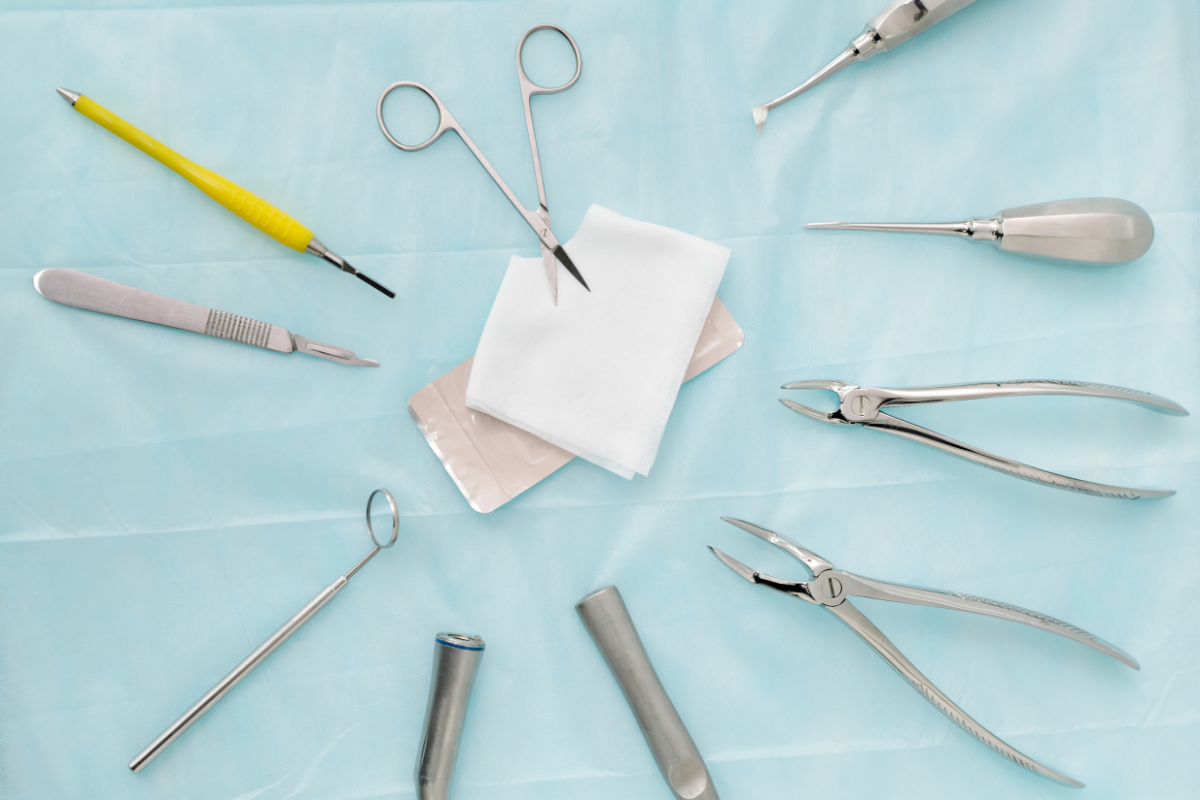
A simple tooth extraction in Puchong costs RM100 to RM350 depending on the tooth, with upper teeth from RM200 and lower teeth from RM250. Complex surgical extractions go up to RM500, and surgical wisdom tooth removal is RM900 to RM1,500 per tooth.
Key takeaways
- The fee depends on which tooth it is and whether it comes out whole.
- Simple extraction: RM100 to RM350. Complex surgical: up to RM500. Wisdom teeth: RM900 to RM1,500.
- Simple versus surgical is decided by the root anatomy on the X-ray, not by how sore the tooth is.
- Extraction is not always the cheapest option once you count replacing the tooth afterwards.
- Any preparatory or follow-up work is quoted separately.
What extraction costs in Puchong
Extraction pricing at Serene Smile Dental, Puchong
| Type | Price | Basis |
|---|---|---|
| Simple extraction Upper from RM200 · lower from RM250 |
RM100 – RM350 | per tooth |
| Complex surgical extraction | Up to RM500 | per tooth |
| Wisdom tooth surgery | RM900 – RM1,500 | per tooth |
Simple versus surgical: what actually decides it
People assume the distinction is about how bad the tooth is. It is not. It is about whether the tooth can be removed whole through the socket it sits in.
A simple extraction is possible when enough of the tooth is above the gum to grip, and the roots are straight enough to come out along their own path. The tooth is loosened within the socket and lifted out. No incision, no stitches, usually 10 to 20 minutes.
A surgical extraction is needed when that is not possible: the tooth has broken off at gum level, the roots are curved or splayed, the roots are fused to the bone, or the tooth is impacted. A small gum incision is made, sometimes a little bone is removed, and the tooth is often sectioned into pieces so each root can be removed along its own path. Longer, more technique, and stitches at the end.
The important point is that this is decided on the X-ray before starting, not discovered halfway through. You should know which one you are having, and what it costs, before you sit down.
Why the tooth’s position changes the fee
- Number of roots. Front teeth have one root and come out along a single path. Molars have two or three roots pointing in different directions, which is why they often need sectioning.
- Bone density. The lower jaw is denser than the upper, so lower teeth generally take more work to loosen. That is the reason lower extractions start higher.
- Access. A tooth at the very back is harder to reach and instrument than one at the front.
- Root shape. Curved or hooked roots cannot follow a straight path out. Fused roots behave like an anchor.
- Condition of the crown. A tooth already broken to gum level gives nothing to grip and usually becomes surgical by default.
What else to budget for
The extraction fee is rarely the whole picture, and it is worth having the full number before deciding.
- X-ray. Needed before any extraction to see the roots and surrounding structures.
- Medication. Painkillers, and antibiotics where there is active infection.
- Review appointment, where stitches were placed.
- Replacing the tooth. This is the big one, and the reason extraction is often not the economical choice it appears to be.
The comparison people get wrong: an extraction at RM300 looks considerably cheaper than root canal treatment and a crown. But if the tooth is one you will need to replace, a bridge starts from RM3,600 and an implant from RM6,000. Saving the tooth is frequently the cheaper path once replacement is counted. Our comparison of root canal treatment versus extraction sets this out in full.
When extraction is the right decision
Sometimes a tooth genuinely cannot be saved, and attempting to is spending money on a delay:
- The tooth is fractured vertically through the root. There is no reliable repair for this.
- Decay extends well below the gum and bone level, leaving nothing to build on.
- Severe gum disease has destroyed the supporting bone and the tooth is mobile.
- A previous root canal has failed and retreatment is not viable.
- A wisdom tooth is causing recurrent infection or damaging the molar in front.
- Teeth need removing to make room for orthodontic treatment.
Equally, a tooth that looks unsalvageable to you may be perfectly restorable. That judgement needs an X-ray, not a mirror.
Medical conditions that affect extractions
Tell us about your full medical history before any extraction. Several common situations change how we plan the procedure, and none of them prevent treatment — they simply need to be known in advance.
- Blood thinners. Warfarin, aspirin, clopidogrel and newer anticoagulants all affect bleeding. In most cases these should not be stopped without the advice of the doctor who prescribed them, because the risk of stopping is often greater than the bleeding risk. We manage the extraction accordingly instead.
- Diabetes. Healing is slower and infection risk higher when blood sugar is poorly controlled. Morning appointments after a normal meal and medication work best.
- Bisphosphonates and similar bone medications, taken for osteoporosis or as part of cancer treatment. These affect how the jawbone heals after an extraction and require specific planning. Always mention them, including if you took them in the past.
- Heart conditions and prosthetic joints. Some situations call for antibiotic cover before the procedure.
- Immunosuppression, from medication or illness, which affects healing and infection risk.
- Pregnancy. Extractions can be done, with the second trimester generally the most comfortable window, and X-ray decisions taken carefully.
The consistent theme is that these need to be discussed before the appointment, not mentioned as you sit down.
What happens on the day
The area is fully numbed with local anaesthesia. For a simple extraction the tooth is loosened and lifted out — you feel firm pressure and movement, not pain. For a surgical extraction the gum is lifted, the tooth sectioned if needed, and the site closed with stitches.
You bite on gauze for 30 to 45 minutes afterwards to let a clot form. Then the aftercare rules matter more than anything we did: no rinsing, spitting, straws or smoking for 24 hours. Our wisdom tooth extraction guide covers the surgical version in more detail.
Thinking about replacement
Decide how you will replace the tooth before it comes out, not afterwards. Bone under an empty socket resorbs fastest in the first year, and a gap left for years lets neighbouring teeth tilt and the opposing tooth over-erupt — both of which make replacement harder and more expensive later.
For a back molar with a healthy tooth still behind it, leaving the gap is sometimes reasonable. For anything else, it is worth having the conversation early.
Extractions in Puchong
We are in Puchong South, near Bandar Puteri, Bandar Kinrara and Puchong Jaya. You can read more about our oral surgery services.
Been told a tooth needs to come out?
Book an assessment in Puchong. We will tell you whether it can be saved, and what each option costs.
Frequently asked questions
How much does a tooth extraction cost in Puchong?
A simple extraction is RM100 to RM350 depending on the tooth, with upper teeth from RM200 and lower from RM250. Complex surgical extractions go up to RM500, and surgical wisdom tooth removal is RM900 to RM1,500 per tooth.
What is the difference between a simple and surgical extraction?
A simple extraction removes the tooth whole through its own socket, with no incision or stitches. A surgical extraction is needed when the tooth has broken at gum level, the roots are curved or fused, or the tooth is impacted, and involves a gum incision and usually sectioning the tooth.
Why do lower teeth cost more to extract?
The lower jaw is denser than the upper, so lower teeth generally take more work to loosen. Root number and shape also matter, which is why molars usually cost more than front teeth.
Is extraction cheaper than saving the tooth?
Only if you never replace it. An extraction may cost a few hundred ringgit, but a bridge starts from RM3,600 and an implant from RM6,000. Saving the tooth with root canal treatment and a crown is often the cheaper path overall.
Does a tooth extraction hurt?
The area is fully numbed with local anaesthesia first, so you feel firm pressure and movement rather than pain. Discomfort afterwards is managed with painkillers and settles over a few days.
Do I have to replace an extracted tooth?
Not always. For a back molar with a healthy tooth still behind it, leaving the gap can be reasonable. Otherwise neighbouring teeth tilt in, the opposing tooth over-erupts and bone resorbs, all of which make replacement harder later.

This article is for general information and does not replace an in-person dental examination. Treatment options and costs depend on your individual condition and can only be confirmed after a clinical assessment.